Why you can't finish anything
On choosing devotion over perfectionism.

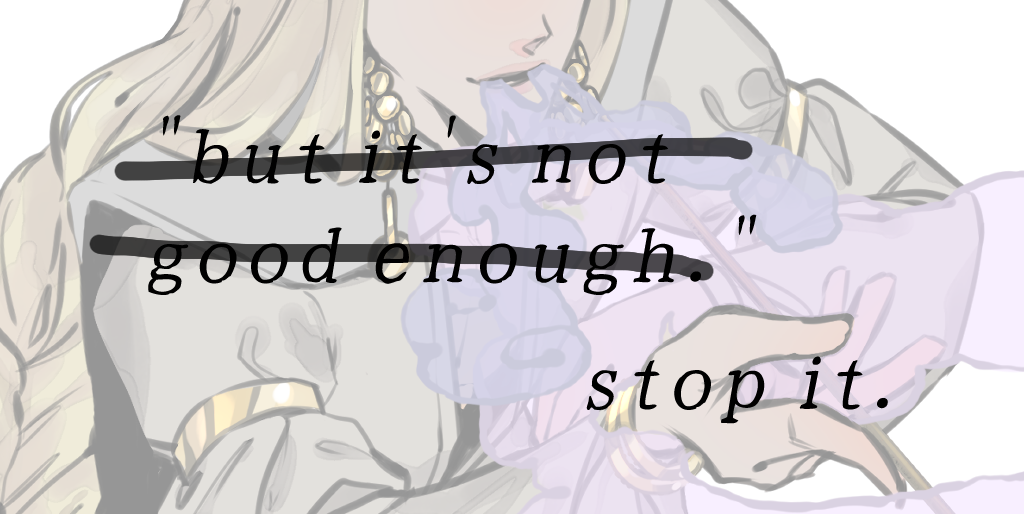
If you're anything like me and have high standards for your work, then you'll know just how hindering perfectionism can be. This is especially true in the creative process. When your head is crowded with imaginary critics that judge every word and line you write down, there is an overwhelming dread that if you don't get it right, your effort will go to waste. It should not surprise you when I say that this is 70 percent of the reason why publishing my story has taken this long.
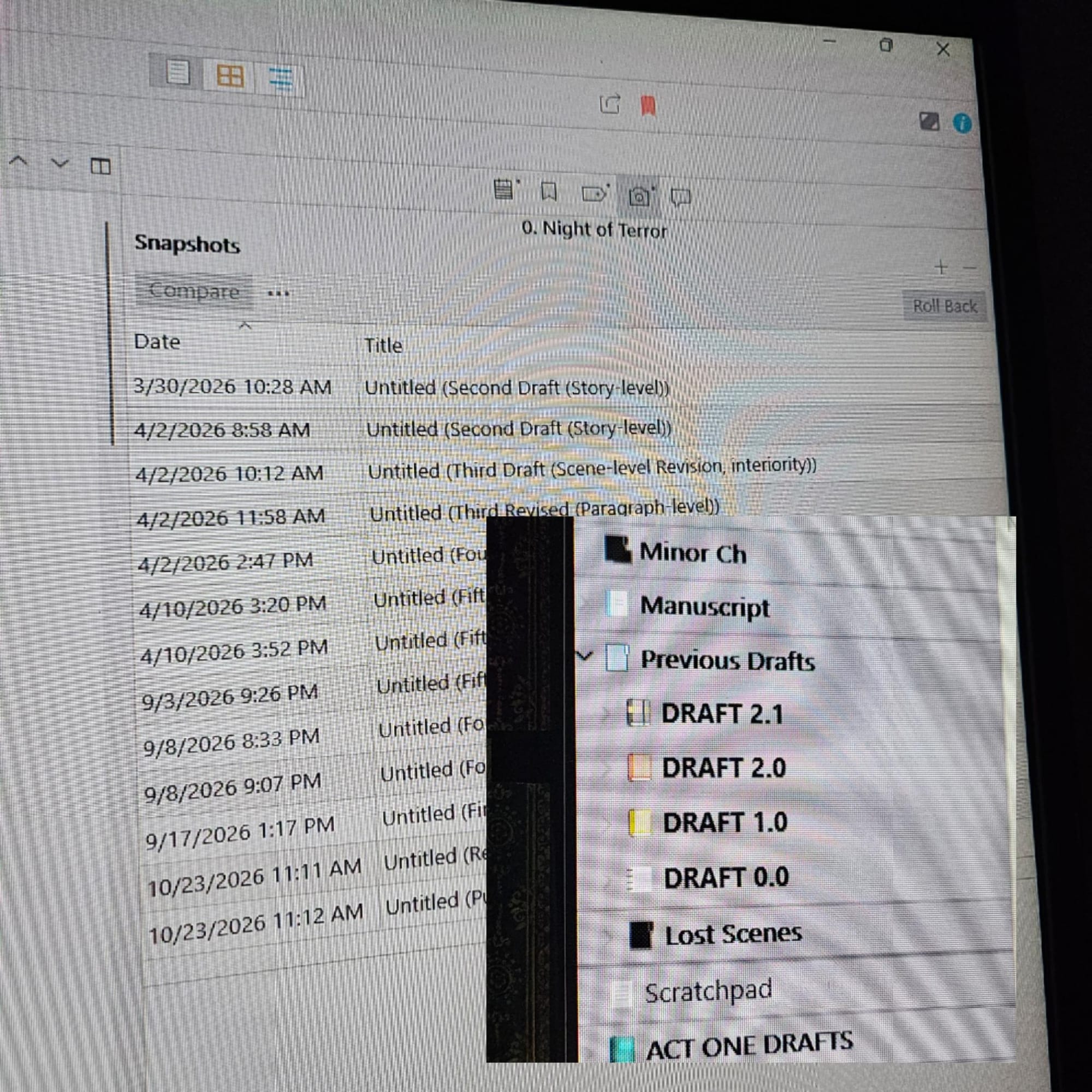
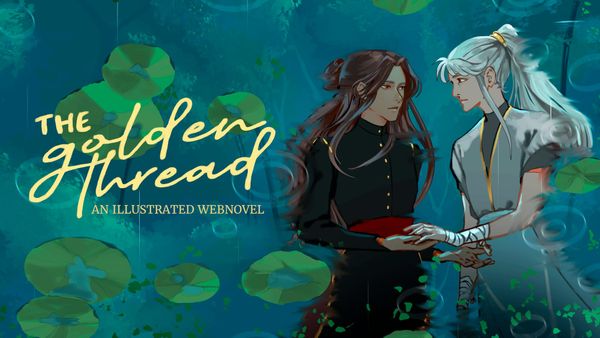
Writing an illustrated webnovel has been key for freeing me from some of that perfectionism. When I say there's prose and illustrations, it might seem like I'm giving myself more work, but hear me out: two things...
- The fact there are few people doing this makes me feel like there are no rules I need to worry over. I can make up what an illustrated webnovel looks like for me.
- With webcomics, the context switching that never fully switches and always hovers over a gray line, is like death to me. Those panel lists are neverending–but you're also writing. I can't stand that (but those who can are my heroes).
With an illustrated webnovel, there is a time for writing, there is a time for reading to analyze what can or should be illustrated, and there is a time for drawing. My brain needs to do one thing for a week, and then it can switch for another week. It's never boring and each of these tasks has a defined end point.
One of the most important things I've had to learn about perfectionism is that the strictness of your brain is subjective. People can't see or experience things as you do, because you have a very unique language, taste, and experience of the world.
One of the most important things I've had to learn about perfectionism is that the strictness of your brain is subjective. People can't see or experience things as you do, because you have a very unique language, taste, and experience of the world. A correctly placed line, unless it has a functional purpose (like leading the eye) won't make your viewer's experience better. If you're writing something that's meant to be read fast, not savored–that sentence you spent 10 months crafting? People will likely skim over it in less than a second. Now, there is something to say about craft and passion, but true craft won't come from self-deprecation and the dusty, half-read books you have sitting in your bookshelf, it will come from devotion. This is why, rather than perfectionism, you should choose devotion.
Rather than perfectionism, choose devotion.
Negative reinforcement helps no one. Instead of spending countless hours criticizing my work harshly in a hopeless attempt to propel my skill, I'm choosing to practice devotion to my illustrated webnovel project by obsessing over my characters and my world. Each day, my website feels more like a distinct world where my characters live and breathe. If you'd like to read more about my webnovel, you can do so here.